Table of Contents
Tooth loss is more than just a cosmetic concern. It can significantly affect your facial structure and jawline, leading to issues that impact appearance and health.
Understanding how missing teeth affect your face shape and jawline can help you take proactive steps to maintain oral health and overall well-being.
How Does Tooth Loss Affect Face Shape?
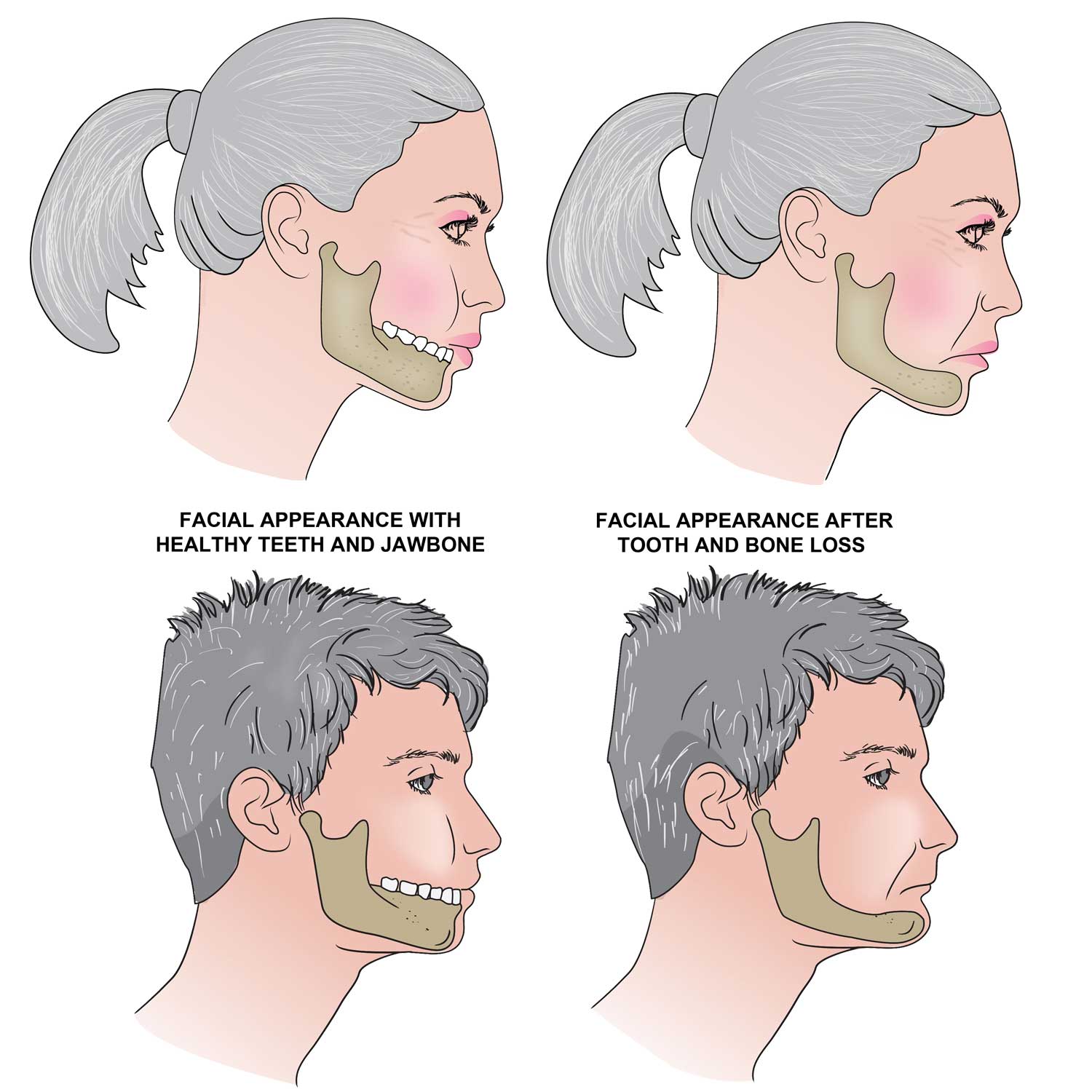
When teeth are missing, the balance and symmetry of your face can be disrupted.
Teeth play a crucial role in supporting your face’s structure, and their absence can lead to noticeable changes.
The cheeks may appear hollow, and the overall harmony of your facial features can be compromised. This can result in a prematurely aged appearance, affecting self-confidence and quality of life.
All Teeth Are Equally Vital in Precluding Facial Change
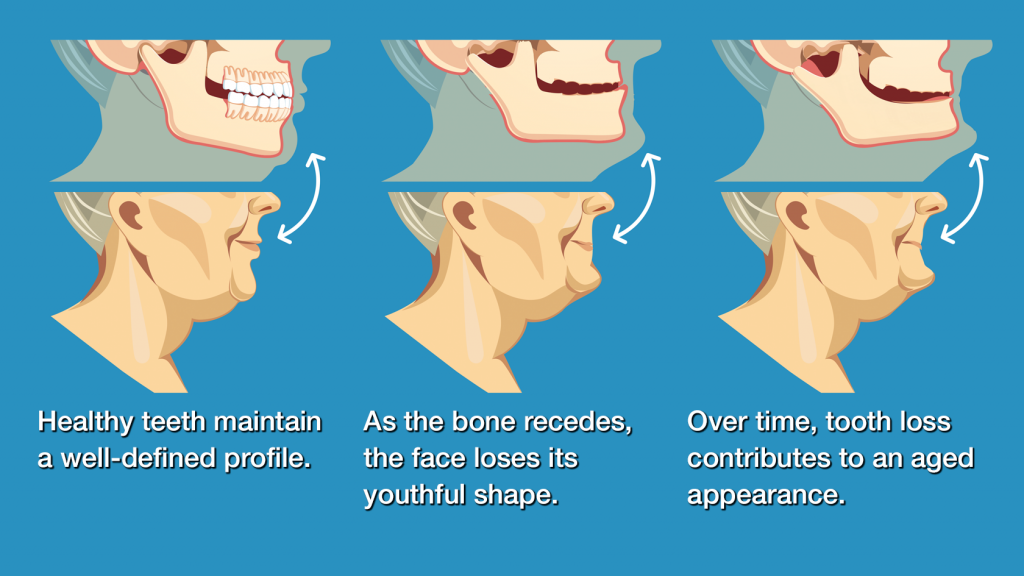
Each tooth in your mouth contributes to your oral cavity’s overall structure and function.
Losing even a single tooth can initiate a chain reaction, affecting neighbouring teeth and the entire dental arch. Teeth support each other, and losing one can cause others to shift and misalign, ultimately compromising the integrity of your bite and facial structure.
Tooth Loss Affects Your Jawbone
One of the most significant consequences of tooth loss is its impact on the jawbone.
Teeth stimulate the jawbone through chewing and biting.
When you lose a tooth, the lack of stimulation can lead to bone resorption, where the jawbone gradually deteriorates. This affects the stability of remaining teeth and contributes to changes in the shape of your face.
Facial Collapse Is a Real Risk With Missing Teeth
Facial collapse refers to the dramatic changes in facial structure when multiple teeth are missing, and the jawbone deteriorates.
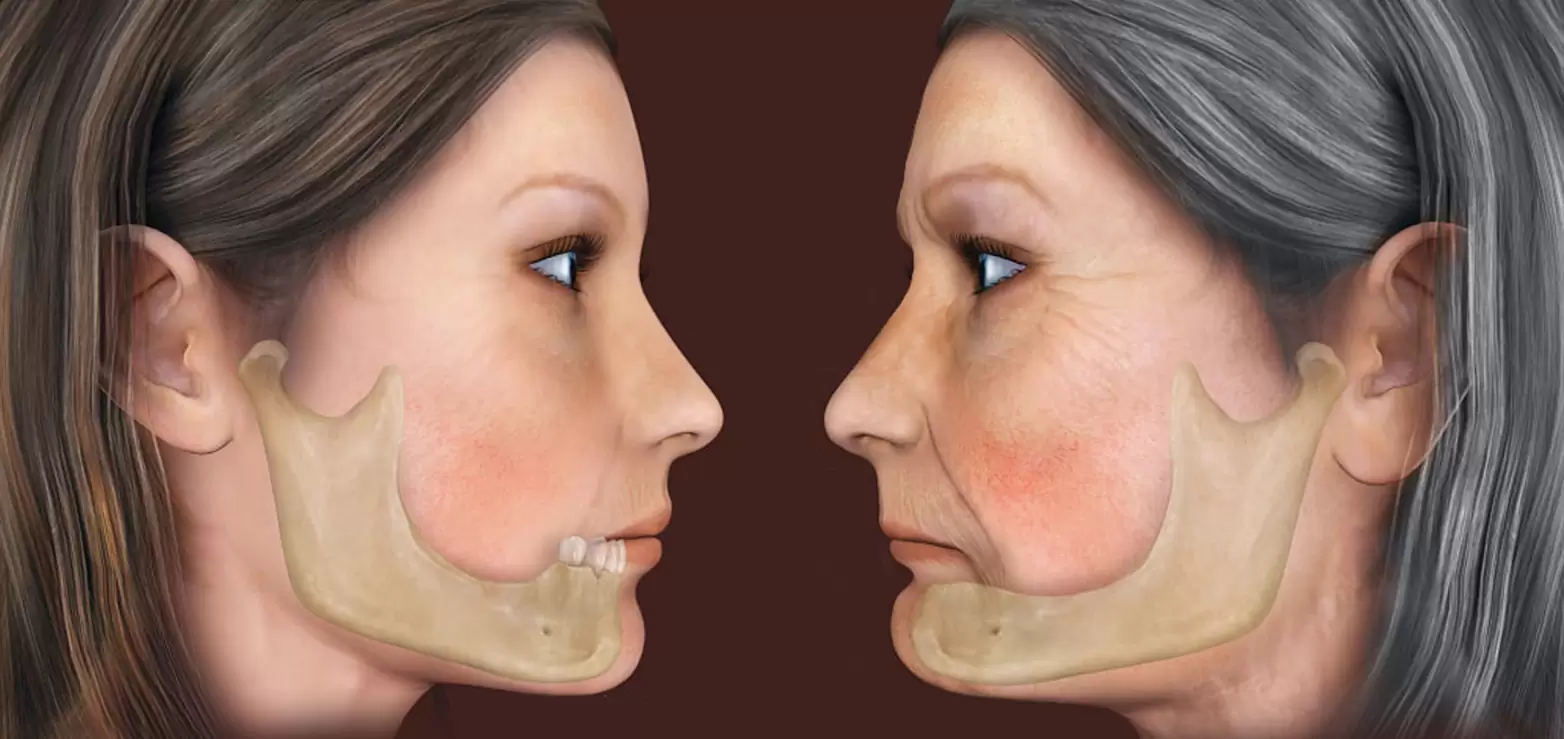
The lower face can shrink and sag, leading to deep wrinkles, a sunken appearance, and a pronounced change in the jawline.
These changes can make a person look much older than they are, significantly affecting self-esteem and social interactions.
The Shape and Alignment of Your Jawline Will Change
The jawline is particularly vulnerable to changes resulting from tooth loss.
Without teeth to support it, the jaw can become misaligned, leading to a weak or receding chin. Your bite can also become compromised, causing difficulty chewing and speaking.
Over time, these changes can worsen temporomandibular joint (TMJ) issues, leading to pain and dysfunction.
Dental Implants Keep Your Facial Structure From Collapsing
Dental implants are a highly effective way to prevent the negative consequences of tooth loss. Implants act as artificial tooth roots, providing the stimulation the jawbone needs to prevent resorption.
They support replacement teeth that look, feel, and function like natural teeth, helping to maintain the natural shape of your face and jawline.
Implants also prevent neighbouring teeth from shifting, preserving the integrity of your entire dental arch.
Dental implants come in different categories based on how many teeth need replacing.
Do Dental Bridges Stop Bone Loss?
How do Dental Bridges Work?
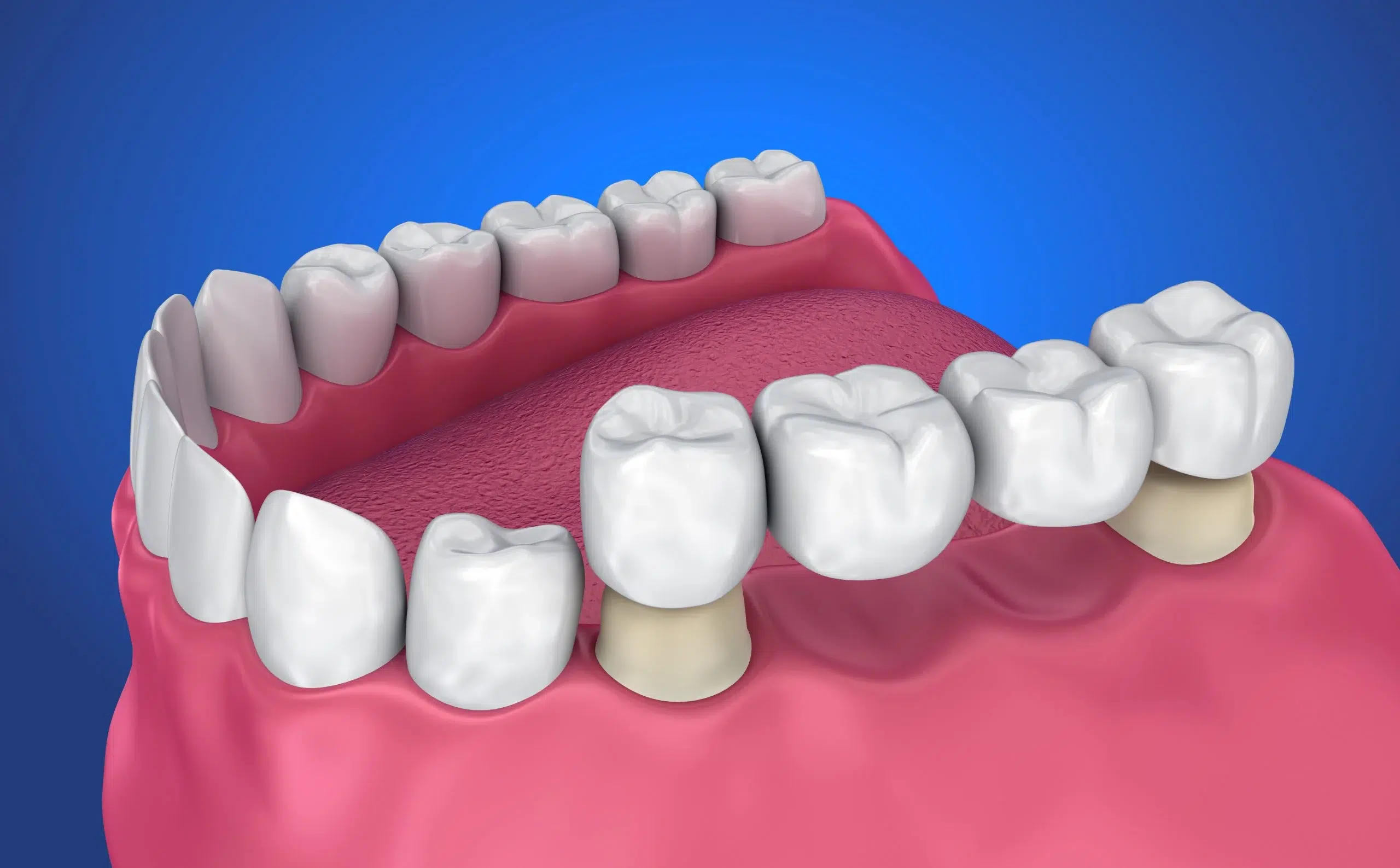
A dental bridge consists of one or more artificial teeth (pontics) anchored by dental crowns on the adjacent (abutment teeth). This solution effectively fills the gap created by missing teeth, restoring the appearance of your smile and your ability to chew and speak properly.
While dental bridges provide immediate functional and aesthetic benefits, they do not address the underlying issue of bone loss.
Bone Loss and Its Causes
Bone loss occurs when the jawbone lacks stimulation from the roots of natural teeth. This stimulation is essential to maintaining bone density and volume.
When a tooth is lost, the bone in that area no longer receives the necessary signals to maintain its structure, leading to gradual bone resorption.
Over time, this can significantly change the shape and integrity of the jawbone and facial structure.
Limitations of Dental Bridges in Preventing Bone Loss
Dental bridges primarily replace the missing tooth above the gum line.
Since they do not replace the tooth root, they do not provide the necessary stimulation to the jawbone to prevent bone resorption.
Consequently, the jawbone area beneath the pontic continues to lose density and volume over time, similar to what would happen if the gap were left unfilled.
Dental Implants: A Superior Alternative for Bone Health
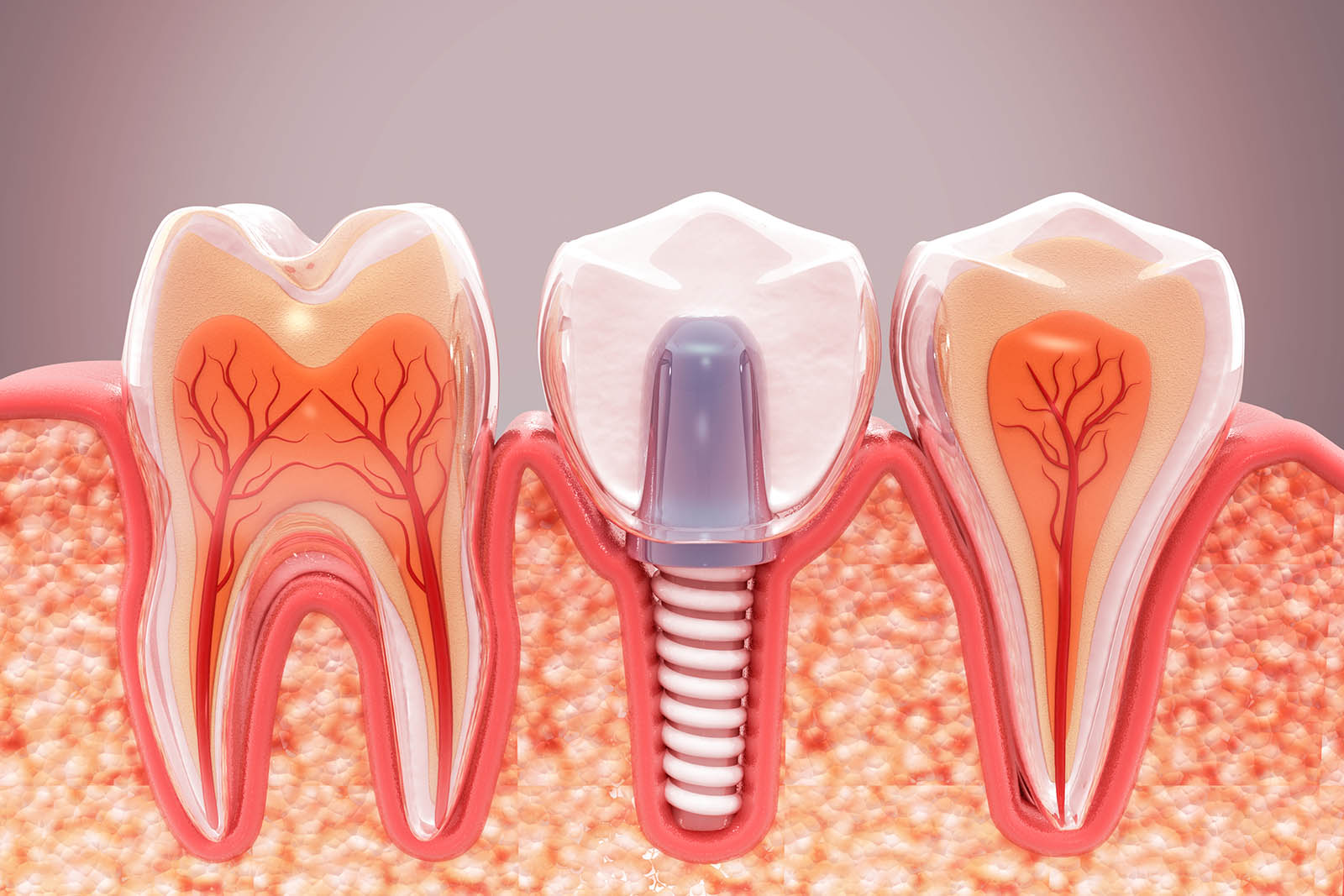
Dental implants are a more effective way to prevent bone loss. An implant consists of a titanium post surgically placed into the jawbone, acting as an artificial tooth root.
This post provides the bone stimulation needed to help maintain density and volume.
The implant is then topped with a crown that matches your natural teeth, providing a permanent, stable replacement that looks, feels, and functions like a natural tooth.
Combining Dental Implants with Bridges
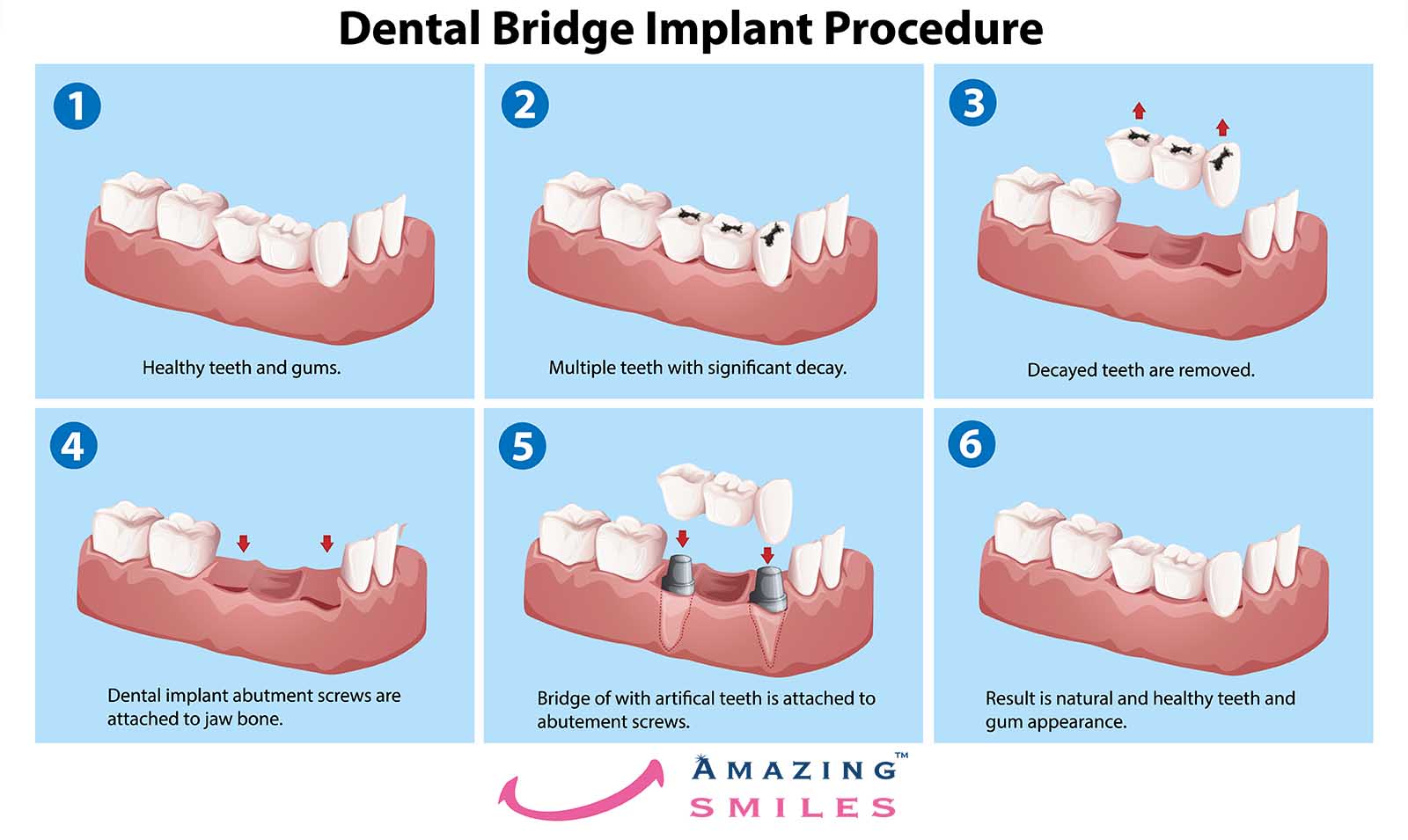
Dental implants and bridges may be used for patients with multiple missing teeth.
Implants can serve as stable anchors for a bridge, providing the dual benefits of bone preservation and a complete set of replacement teeth. This approach maximises functional and aesthetic outcomes while supporting long-term jawbone health.
How Your Dentist Can Restore Your Smile and Your Face Shape
Restorative dentistry offers various solutions to tooth loss and its effects on your facial structure.
Dentists can provide dental implants, bridges, and dentures to replace missing teeth and restore your face’s natural contours.
Customised treatment plans ensure that each patient receives the care that best suits their needs, helping to improve both appearance and function.
Disclaimer: The information provided in this article is intended for general informational purposes only and should not be construed as medical or dental advice. While we strive to ensure the accuracy and completeness of the content, it is not a substitute for professional consultation, diagnosis, or treatment. Always seek the advice of your dentist or other qualified healthcare provider with any questions you may have regarding a dental condition or treatment. Amazing Smiles and its affiliates are not responsible for any errors or omissions in the article or actions taken based on the information provided.