Table of Contents
When you have a broken tooth, seeing a dentist as soon as possible is critical to prevent further damage and potential infection.
However, there are several immediate steps you can take to manage the situation until you can receive professional care:
Rinse Your Mouth
First, rinse your mouth with warm water.
This step is essential as it cleans the area around the broken tooth, removing any food particles and debris that might exacerbate irritation or lead to infection.
A gentle rinse also helps assess the extent of the break by clearing away any blood or fragments.
Apply Pressure to Stop Bleeding
If the broken tooth has caused bleeding, it’s essential to address it immediately. Gently apply pressure with a clean piece of gauze or a soft cloth.
Hold it against the broken tooth until the bleeding stops.
This not only controls blood loss but also helps form a clot, which is crucial for natural healing.
Reduce Swelling with a Cold Compress
Applying a cold compress to the face directly outside the mouth or cheek near the broken tooth can effectively reduce swelling and numb pain.
Use a cold pack or even a bag of frozen peas wrapped in a towel and apply it intermittently—10 minutes on, followed by a 10-minute break—to avoid skin damage.
Take Pain Relief
Over-the-counter pain relievers such as ibuprofen or acetaminophen can help manage the discomfort that typically accompanies a broken tooth.
These medications not only alleviate pain but also help in reducing inflammation around the affected area. Ensure you follow the dosage instructions on the package to avoid any complications.
Protect the Tooth
If seeing a dentist immediately is not an option, protecting the broken tooth from further damage is crucial. Cover the tooth with dental cement, available at most drugstores.
This temporary solution can prevent exposure of sensitive nerves and reduce the risk of infection. It’s also helpful in avoiding discomfort from air and food touching the exposed areas.
Avoid Hard or Crunchy Foods
Lastly, be mindful of your diet following the break. Avoid hard, crunchy, or sticky foods that can cause further damage to the broken tooth.
Opt for soft foods and chew on the opposite side of your mouth to minimise pressure on the damaged tooth.
Following these steps, you can effectively manage a broken tooth until you can see a dentist.
Remember, these measures are temporary; professional dental treatment is necessary to ensure proper healing and prevent long-term issues.
How do you fix a chipped or broken tooth?
It is essential to see a dentist as soon as possible for treatment.
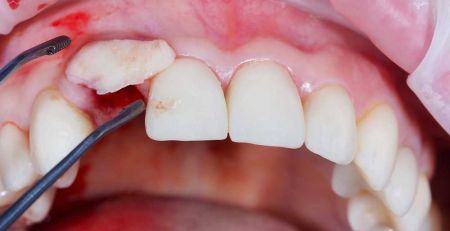
Depending on the extent of the damage, the dentist may recommend a filling, a crown, a root canal, or an extraction.
In some cases, the dentist may be able to bond the broken piece back onto the tooth.
The sooner you see a dentist, the more likely the tooth can be saved and the less likely you will experience pain or complications.
5 Ways To Fix a Broken Tooth
Here are five common ways to fix a chipped or broken tooth:
- Dental bonding: Your dentist may use dental bonding to repair the tooth for minor chips or cracks. This involves applying a tooth-coloured resin to the damaged area and then shaping and polishing it to match the surrounding teeth.
- Dental veneers: If the damage is more extensive or affects the front teeth, your dentist may recommend dental veneers. These are thin, custom-made shells bonded to the front of the teeth to improve their appearance.
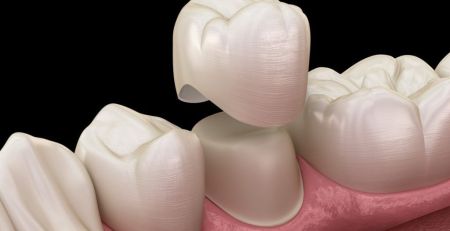
- Dental crowns: A dental crown may be necessary for more severe damage. A crown is a cap that covers the entire tooth, restoring its shape and function.
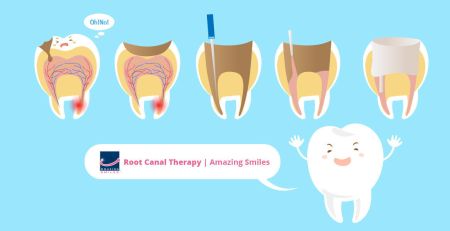
- Root canal: If the damage has reached the tooth’s pulp, a root canal may be necessary to remove the damaged tissue and prevent infection.
- Tooth extraction: In some cases, if the tooth is severely damaged and cannot be saved, it may need to be extracted.
If you have a chipped or broken tooth, see a dentist as soon as possible. Delaying treatment can lead to further damage or infection.
Your dentist at Amazing Smiles on the Gold Coast or in Brisbane can evaluate the extent of the damage and recommend the best treatment option for you.