Table of Contents
Fluoride is a mineral that plays a crucial role in maintaining optimal oral health. It is widely recognised for strengthening teeth and preventing tooth decay.
Introducing fluoride into dental care has significantly reduced cavities and improved overall dental health.
When we consume fluoride, it integrates into the structure of our teeth, making them more resistant to acid attacks caused by bacteria and sugary foods. This process, known as remineralization, helps repair the early stages of tooth decay and prevents further damage.
What is Remineralization from Fluoride?

Tooth enamel, the outermost layer of teeth, is constantly undergoing a process of demineralization and remineralization.
Minerals are lost (demineralization) from the enamel layer when acids from plaque bacteria and sugars in the mouth attack the enamel.
Fluoride aids in remineralization, depositing minerals back onto the enamel layer to repair damage caused by demineralization.
By strengthening the enamel, the outer protective layer of the teeth, fluoride protects against harmful bacteria and acids.
One of the main benefits of fluoride is its ability to reverse the demineralization process.
When bacteria’s acid erodes the enamel, fluoride helps to rebuild and strengthen it. This means fluoride helps prevent tooth decay and repairs early signs of decay before they progress into cavities.
Decay Prevention
By enhancing remineralization, fluoride helps repair early decay before a cavity forms in the tooth. It also reduces bacteria’s ability to produce acid, further protecting teeth from decay.
Resistance to Acids
Fluoride changes the chemical structure of tooth enamel, making it more resistant to acid attacks and reducing cavity risk.
Benefits for Children and Adults
In children, fluoride integrates into the development of permanent teeth, making it difficult for acids to demineralize the teeth. Fluoride benefits adults, too, particularly those with a history of dental issues or a higher risk of cavities.
Fluoride is delivered to teeth in two ways:
1) Topical Fluoride
Applied directly to the enamel through fluoride-containing dental products like toothpaste, mouth rinses, and gels.
Professional fluoride treatments in dental offices are more potent than over-the-counter products.
2) Systemic Fluoride
Ingested into the body when people drink water that contains fluoride or consume fluoride supplements.
Once ingested, systemic fluoride is incorporated into developing tooth structures.
It is also present in saliva, which continuously bathes the teeth, providing a fluoride reservoir that can be incorporated into the tooth surface to protect against decay.
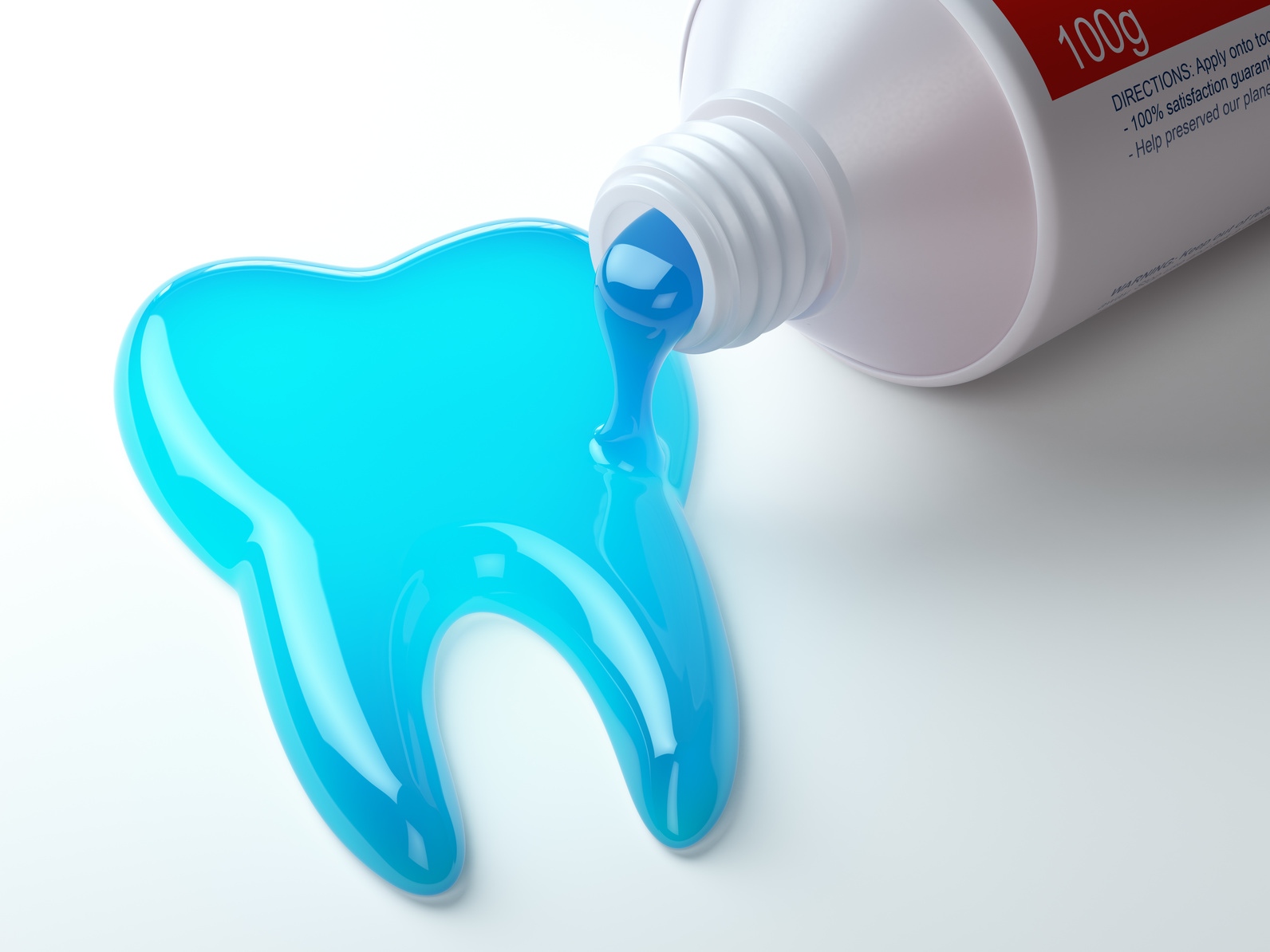
Fluoride comes from various sources. Many municipalities add fluoride to their public water supplies, a safe and effective way to reach a large population.
Fluoride is also found in toothpaste, mouth rinses, and professional dental treatments.
Regular brushing with fluoride toothpaste and mouth rinses can significantly increase fluoride’s protective benefits.
Fluoride is essential for children’s tooth development. It helps form strong, healthy teeth that resist decay.
Children can benefit from fluoride treatments and toothpaste use under their dentist’s guidance.
However, it is important to use fluoride products appropriately and as directed to avoid excessive fluoride intake, which can lead to fluorosis.
Disclaimer: The information on the Amazing Smiles website is for general educational purposes only. It should not replace professional dental advice, diagnosis, or treatment. Every patient’s needs are unique, so consult a qualified dental professional for personalised advice. If you have a dental emergency or oral health concerns, please contact Amazing Smiles for an assessment.