Table of Contents
Brushing your teeth with abrasive toothpaste helps remove bacteria, plaque and stains.
Unfortunately, if toothpaste contains high levels of abrasives, it may also wear down teeth’s natural enamel. Over time, this can cause long-term damage, such as enamel erosion.
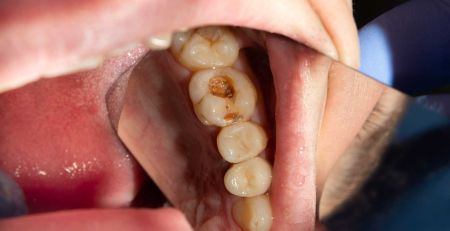
Once enamel has eroded, no treatment can restore it. Enamel erosion may advance the decay rate since the tooth’s dentin layer is exposed.
With the rise of social media trends, the Dental Health Foundation has found abrasive elements, including Chalk, Charcoal, and Silica, used in teeth-whitening products.
Individuals may begin to feel the effects of abrasiveness, such as increased tooth sensitivity. They may also experience sensitivity to temperature, acidity, or sweet foods.
When used sparingly, toothpaste with medium to high abrasiveness removes surface stains effectively.
Consequently, removing the top layer of stains can make teeth appear whiter. However, frequently using this toothpaste daily or weekly can break down enamel.
Abrasive toothpaste and low-grade sandpaper are similar in that both can remove surface stains.
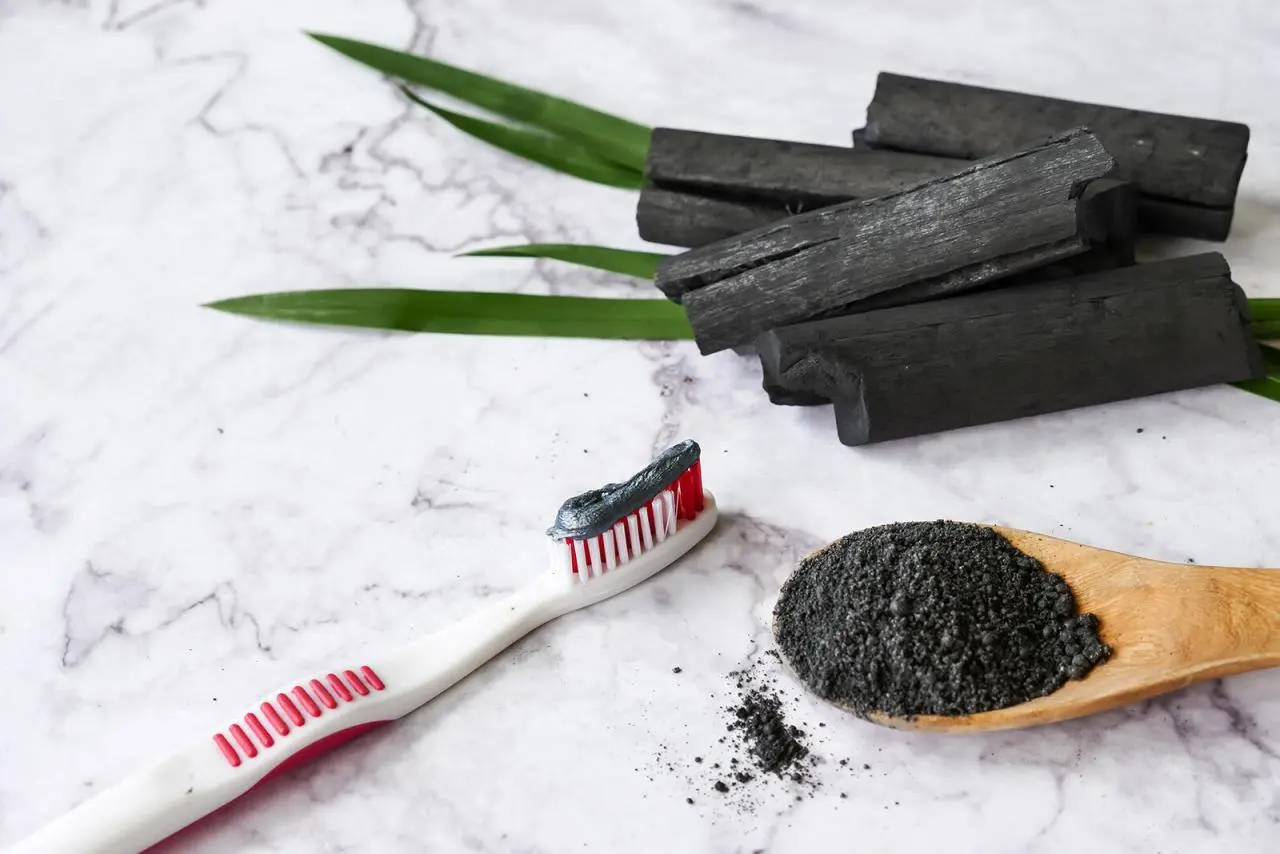
Otherwise, when used sparingly, natural abrasive toothpastes, such as charcoal toothpaste, aren’t necessarily bad and can effectively remove stains, temporarily making teeth look whiter.
Unfortunately, with popular trends and easy online access to products, it’s difficult to regulate the clinical safety of whitening products.
Because an individual’s oral health varies, such as enamel strength, tooth decay, or sensitivity, it is essential to consult a dentist regarding whitening. A dentist can then explain or prescribe teeth whitening procedures to suit patients’ needs.
Dentists often recommend products that are regulated and clinically tested. In comparison, the negative factors of teeth whitening products that are available online include:
- Not clinically tested
- May not be governed by a recognised health organisation
- Or it may not be suitable for a person’s current oral health
Alternatively, when purchasing or researching products (depending on the country), check the Relative Dentin Abrasivity (RDA). The RDA is the American Dental Association (ADA) measurement system for assessing toothpaste abrasiveness.
The RDA helps identify and describe a product with the ADA Seal of Acceptance.
The RDA helps define the long-term effects of toothpaste on enamel. The higher a product’s RDA score, the more abrasive it is. A toothpaste’s RDA must not exceed 250. An RDA range of 0-70 is usually safe.
As an example of RDA scores, research has concluded the following results based on popular Colgate Toothpastes:
- Colgate Total (RDA) 70
- Colgate Sensitive Max Strength (RDA) 83
- Colgate Total Whitening (RDA) 142
- Colgate Tartar Control (RDA) 165
Since more studies and laboratory research are required, charcoal Toothpaste hasn’t received the Seal of Acceptance in the US.
What are the effects of activated Charcoal Toothpaste?
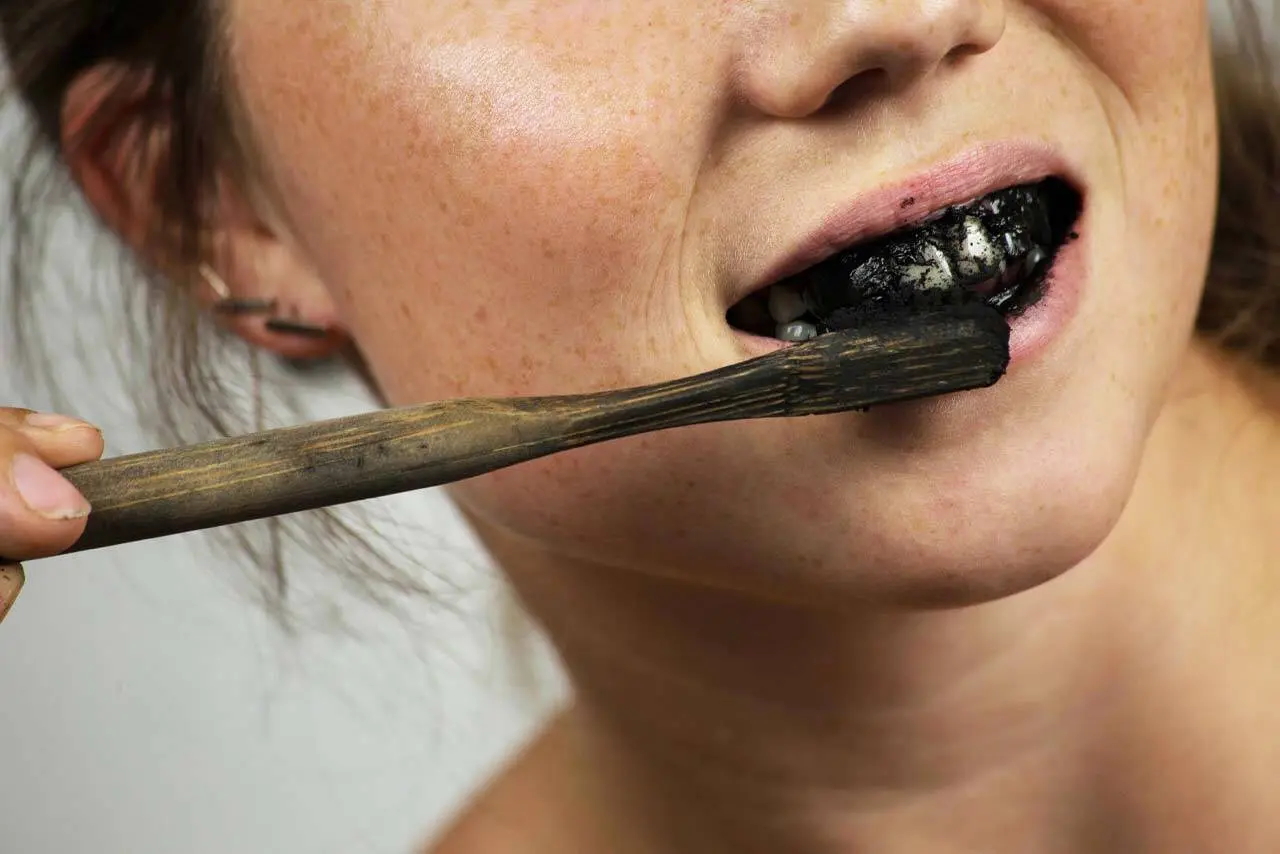
Charcoal toothpaste, when used infrequently, can remove the outer layer of stain from lightly stained teeth. Its higher absorption rate helps remove unwanted surface stains, making teeth appear whiter.
There are several reasons why Charcoal toothpaste should be avoided or used sparingly:
- Deteriorate Enamel
Enamel is the natural protective top layer of your teeth. Once enamel deteriorates, the tooth becomes more susceptible to decay, resulting in greater damage. - Effect on Gums
Charcoal’s abrasiveness may wear away at your gums. A gum graft is often needed to repair severely damaged gum tissue. - Irritation of soft tissue in the mouth
Since charcoal is an uncommon substance in the mouth, it may irritate the mouth’s soft ti, potentially resulting in or affecting ulcers, cuts, or abrasions in your mouth. - Charcoal toothpaste can harm your dental restorations
Because of its naturally dark colour and abrasiveness, charcoal may affect dental restorations from previous dental work. Restorative dentistry may include Dentures, Composite or Porcelain Veneers, Dental Crowns, Bridges, Dental Implants and Fillings. - Professional clinicians have not conducted extensive research on charcoal toothpaste.
There has been little extensive long-term research on Charcoal products. Understanding the importance of scientific lab research is essential. Since charcoal toothpaste has only undergone a few clinical studies, it’s safer to recommend clinically tested and long-established dental products rather than unknown products.
Is Charcoal Toothpaste Safe?
There is some controversy regarding the safety and effectiveness of charcoal toothpaste. While some people claim it can whiten teeth and improve oral health, others worry it may be too abrasive and damage teeth and gums.
Charcoal toothpaste typically contains activated charcoal, a form of carbon treated with oxygen to increase its porosity. Proponents claim that the charcoal can absorb stains and toxins from the teeth, leading to a brighter, whiter smile.
However, some dentists caution that charcoal toothpaste may be too abrasive and can damage tooth enamel. Enamel is the hard, protective outer layer of the teeth, and once it is damaged, it cannot be repaired. In addition, charcoal toothpaste may not contain fluoride, which helps strengthen teeth and prevent decay.
Overall, there isn’t enough scientific evidence to support charcoal toothpaste, and some dentists recommend sticking to traditional toothpaste that has been proven safe and effective. If you want to use charcoal toothpaste, talk to your dentist first to make sure it is safe for your teeth and gums.
Disclaimer: This article is for general informational purposes only and does not constitute professional dental or medical advice. It is not a substitute for consulting a qualified dental professional. Always seek guidance from your dentist or healthcare provider for any dental concerns. Amazing Smiles does not guarantee outcomes based on this information.