Table of Contents
The oral microbiome, a term that may sound complex, is an intricate and vital part of our overall health. This article aims to clarify its importance and the factors that influence its balance.
What is the Oral Microbiome?
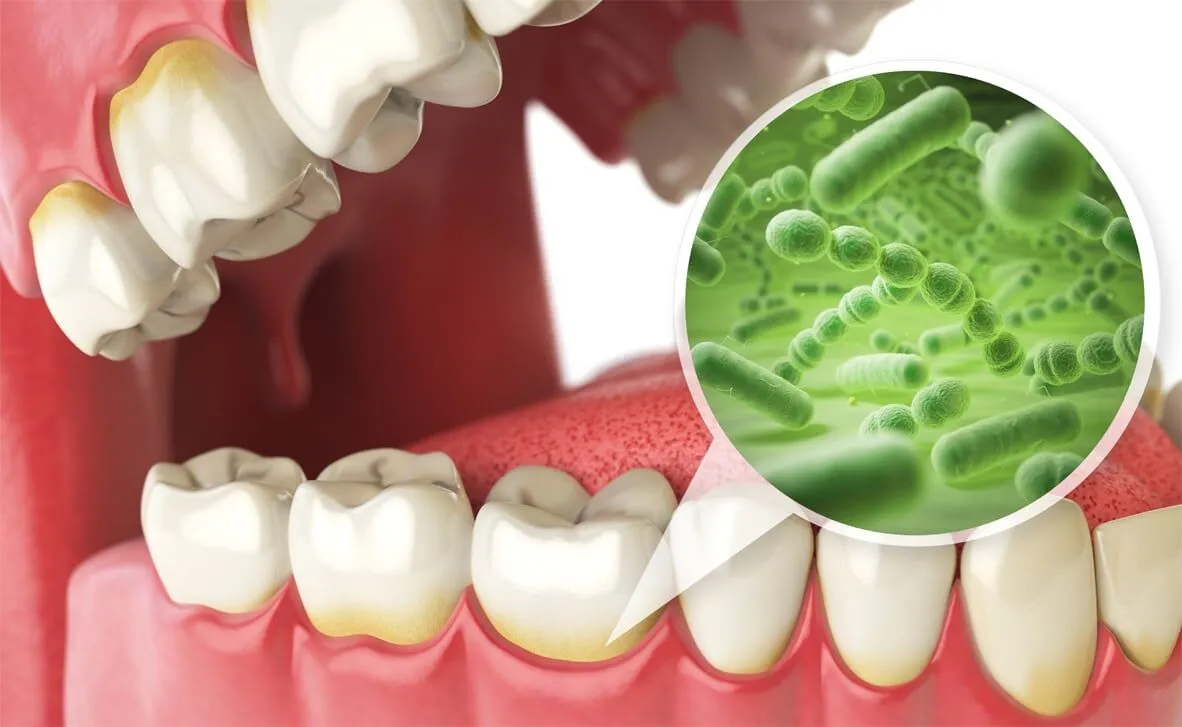
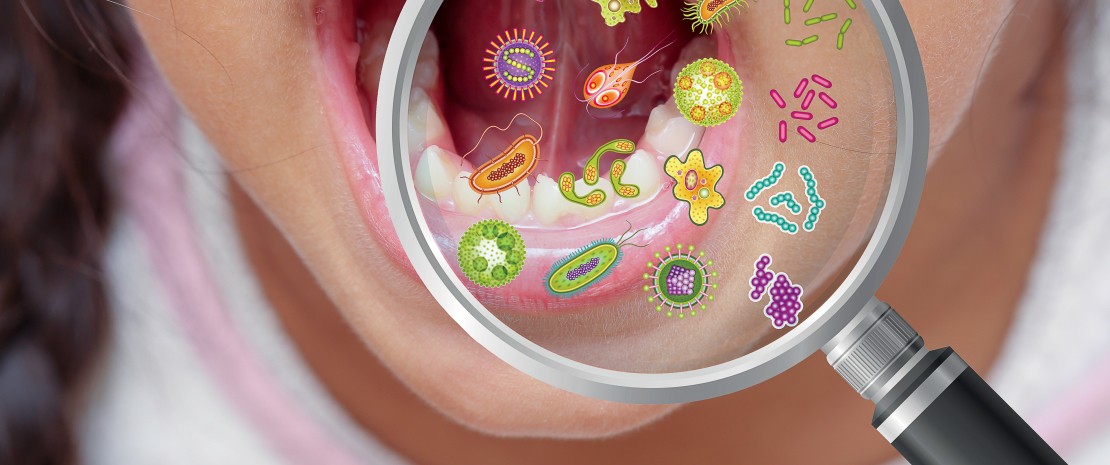
The human mouth is home to a diverse community of bacteria, fungi, viruses, and other microorganisms, collectively known as the oral microbiome.
Far from being harmful, this microbiome plays a crucial role in maintaining oral health and, by extension, our overall well-being.
Composition and Diversity
The oral cavity presents various habitats, including teeth, gums, the tongue, and the cheek lining. Each location harbours distinct microbial communities.
The variety is staggering: over 700 bacterial species alone are estimated to be found in the mouth.
These microorganisms are specially adapted to oral conditions, such as salivary flow and pH levels.
Functions of the Oral Microbiome
1. Defence Against Pathogens
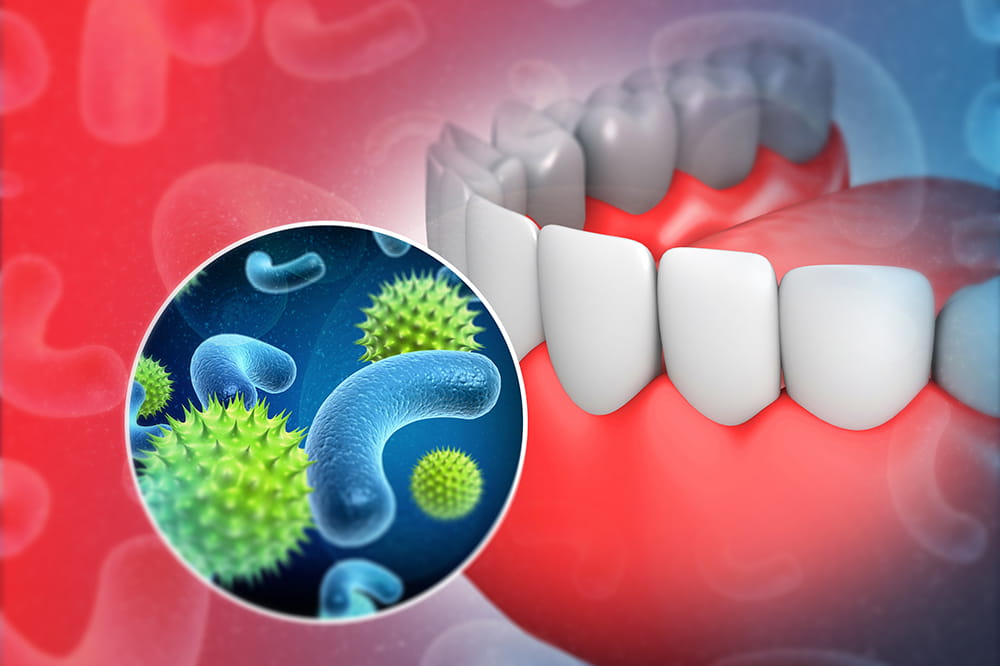
The oral microbiome is not just a passive inhabitant of our mouths; it actively defends us against harmful bacteria.
By taking up space and utilising available resources, beneficial microbes in the mouth create an environment less hospitable to pathogenic bacteria, thus preventing them from gaining a foothold.
Natural defence mechanisms are crucial in maintaining a healthy oral ecosystem.
2. Facilitating Digestion and Nutrition
Beyond protection, the oral microbiome plays a vital role in the initial stages of digestion.
Certain oral bacteria begin the breakdown process by eating food residues left in the mouth. This early stage of digestion is essential for breaking down food particles and aiding the absorption of vital nutrients.
Thus, these microorganisms contribute significantly to our overall nutritional health.
3. Maintaining Oral Health
The balance of microorganisms within the oral microbiome is a critical factor in oral health.
A well-balanced microbiome helps prevent common dental issues such as tooth decay and gum disease.
These microorganisms help regulate the oral environment, minimising conditions conducive to oral infections.
4. Impact on Overall Health
Recent research has begun to shed light on the oral microbiome’s broader implications.
Increasing evidence suggests a link between the health of the oral microbiome and systemic diseases, including cardiovascular diseases and diabetes.
This connection underscores the importance of oral health to overall health, highlighting the interconnectedness of the oral microbiome with the body as a whole.
Factors Influencing the Oral Microbiome
Several factors can affect the balance of the oral microbiome, including:
1. The Role of Diet and Nutrition in Shaping the Oral Microbiome
Diet plays a pivotal role in shaping the oral microbiome.
The food we consume directly impacts the types of bacteria that flourish in our mouths.
For instance, diets high in sugars and acidic foods promote the growth of potentially harmful bacteria and can lead to oral health issues like cavities and gum disease.
Conversely, a balanced diet rich in fibre, fruits, and vegetables can encourage beneficial bacteria, contributing to a healthier oral ecosystem.
2. Oral Hygiene Practices and Their Impact on Microbial Balance
Effective oral hygiene is crucial to maintaining a healthy oral microbiome.
Regular brushing and flossing are essential practices that help remove food particles and dental plaque – a biofilm composed of bacteria.
Mechanical cleaning disrupts the environment harmful bacteria need to thrive, helping maintain a balanced microbial community.
Neglecting oral hygiene can lead to an overgrowth of pathogenic bacteria, increasing the risk of oral diseases.
3. Lifestyle Choices: Smoking and Alcohol Consumption
Lifestyle choices, particularly smoking and alcohol consumption, have a significant impact on the oral microbiome.
Smoking alters the composition of oral bacteria, often increasing harmful microbial species. Imbalance can contribute to oral health problems, including periodontal disease and tooth loss.
Similarly, excessive alcohol consumption can disrupt the natural microbial balance, creating an environment conducive to pathogenic bacterial growth.
4. Health Conditions and Medications: Their Effects on Oral Microbes
An individual’s overall health and medications also influence the oral microbiome.
Certain illnesses, particularly those that affect the immune system or cause dry mouth, can alter the oral microbial landscape.
Moreover, medications like antibiotics can significantly disrupt the natural balance of oral microbes.
Antibiotics, while eliminating harmful bacteria, can also inadvertently reduce populations of beneficial oral bacteria, leading to an imbalance that might increase susceptibility to oral infections and other complications.
Conclusion
The oral microbiome is a complex and dynamic ecosystem integral to our health.
Understanding its role and maintaining its balance through proper diet, oral hygiene, and healthy lifestyle choices is crucial.
As research continues to unfold, the oral microbiome’s total impact on our health and well-being becomes increasingly apparent, highlighting the importance of paying attention to this often-overlooked aspect of our health.
References
- Dewhirst, F. E., et al. (2010). The Human Oral Microbiome. Journal of Bacteriology, 192(19), 5002-5017.
- Kilian, M., et al. (2016). The Oral Microbial Consortium’s Interaction with the Host: Health, Disease, and Caries Control. Caries Research, 50(Suppl. 1), 118-125.
- Marsh, P. D. (2003). Are Dental Diseases Examples of Ecological Catastrophes? Microbiology, 149(Pt 2), 279-294.
- Scannapieco, F. A. (2013). The Oral Microbiome: Its Role in Health and in Oral and Systemic Diseases. Clinical Oral Investigations, 17(3), 609-619.
Disclaimer: The information in this article is intended solely for educational purposes and should not be considered a replacement for professional medical advice, diagnosis, or treatment. Consult a healthcare professional for individualised medical guidance before making any health-related decisions for yourself or others. If you have questions about a specific medical condition, always reach out to a qualified health provider. The authors, editors, and publishers cannot be held liable for any negative consequences resulting from using the information presented.