Table of Contents
Oral health is a critical aspect of overall well-being, and it’s essential to understand various dental issues, including demineralisation and tooth erosion.
Though they might sound similar, these two conditions affect the teeth differently and require distinct approaches to treatment and prevention.
Demineralisation: The Early Warning Sign
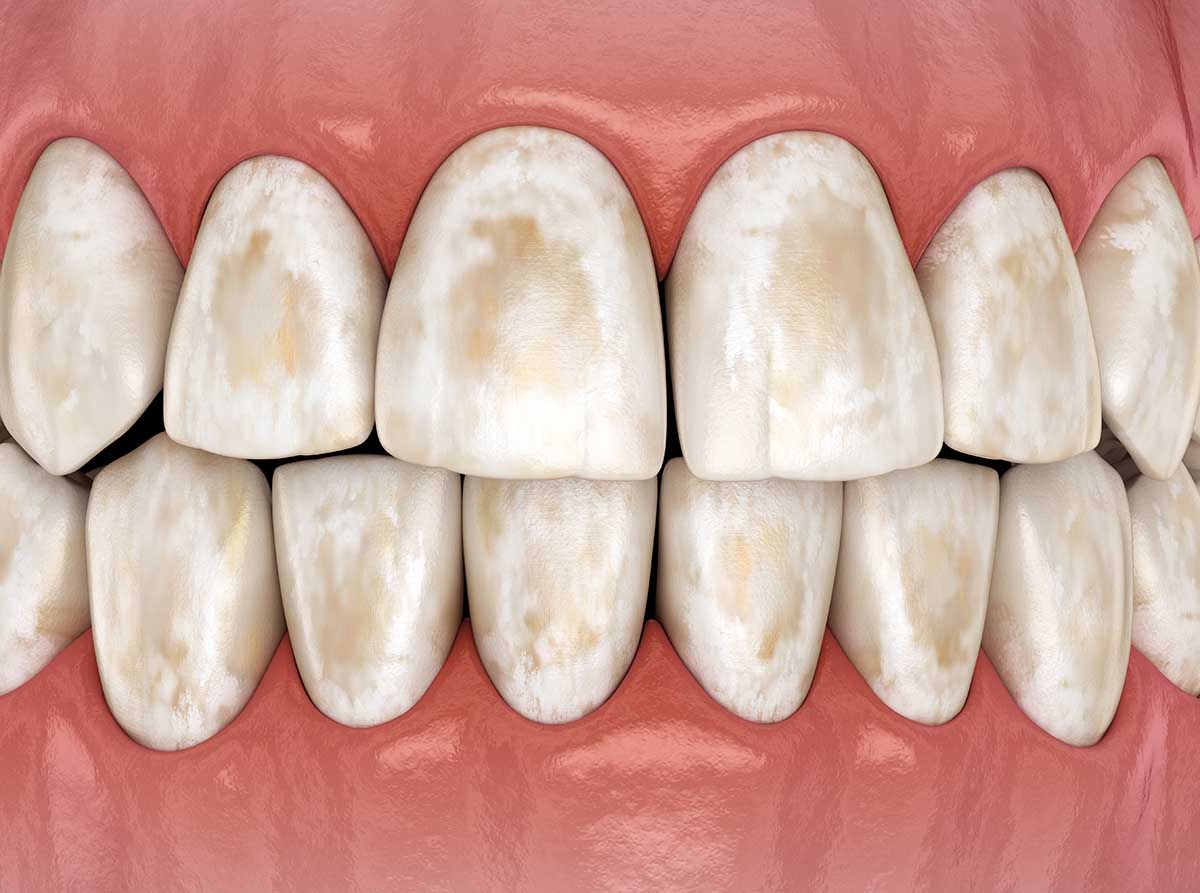
Demineralisation is often the first step towards tooth decay.
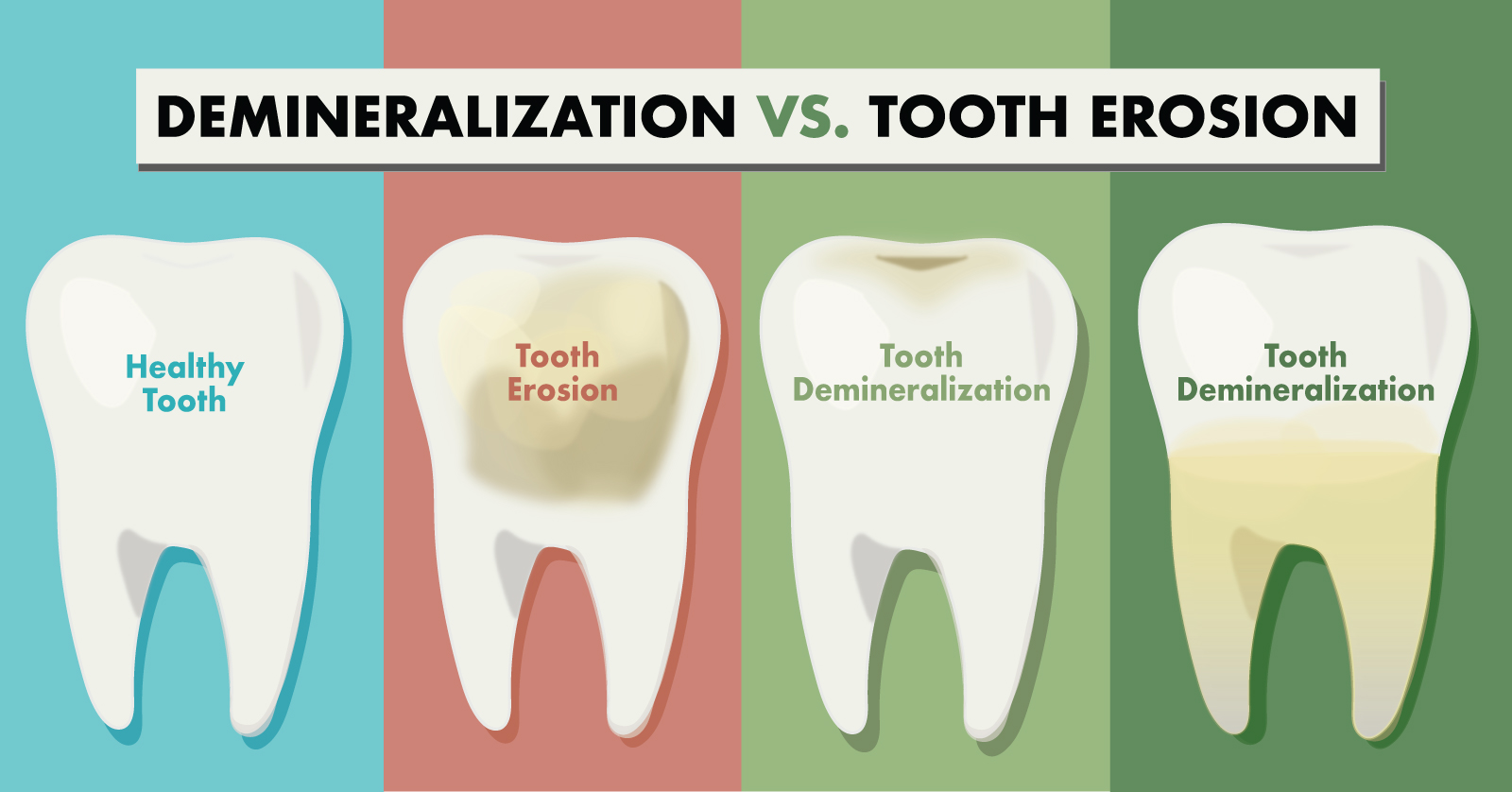
It occurs when acids from bacteria in plaque or from dietary sources begin to dissolve the minerals (mainly calcium and phosphate) in tooth enamel. This process does not create visible holes in the teeth but results in areas of mineral loss, often seen as white spots on the tooth surface.
These spots are an early warning sign, indicating that the enamel is weakening and becoming more susceptible to decay.
Key factors contributing to demineralisation include poor oral hygiene, a diet high in sugars and acids, and inadequate fluoride exposure.
Fortunately, demineralisation is reversible in its early stages.
Fluoride treatments, whether from toothpaste, water, or professional dental applications, can help remineralise and strengthen the enamel.
Tooth Erosion: Physical Wear of Teeth
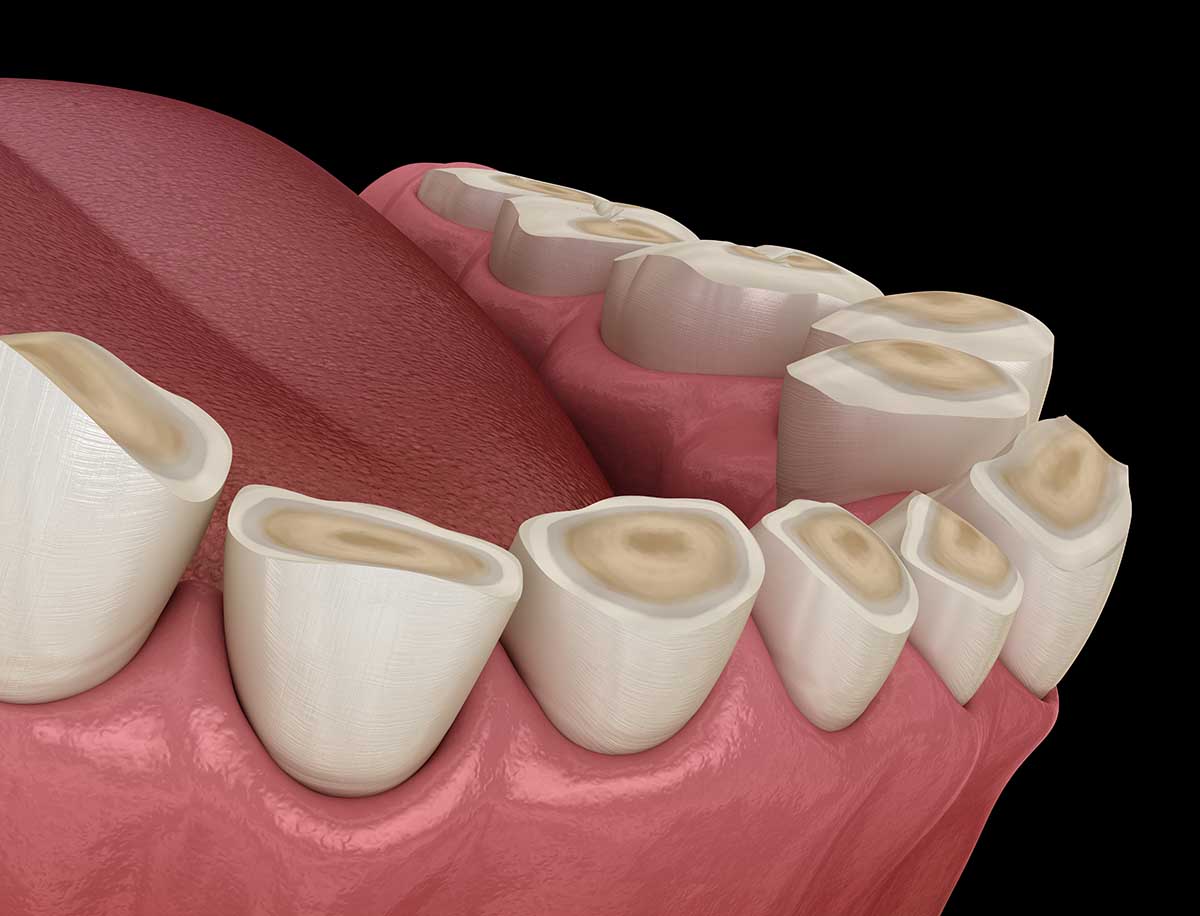
Tooth erosion, on the other hand, refers to the physical wear and loss of tooth structure due to exposure to acids. This condition goes beyond the enamel layer, potentially affecting the underlying dentin and leading to tooth sensitivity or more severe dental problems.
Unlike demineralisation, tooth erosion results from direct acid exposure, often from dietary sources like citrus fruits, carbonated beverages, and wine. Acid reflux and certain medical conditions can also contribute to erosion.
Erosion manifests as rounding of teeth, thinning and translucency of the enamel, and, in severe cases, visible dents or divots on the biting surfaces of the teeth.
Prevention of tooth erosion involves reducing acid exposure, rinsing the mouth with water after consuming acidic foods or drinks, and using dental products designed to strengthen enamel.
Prevention and Care
Both demineralisation and tooth erosion underscore the importance of regular dental care and good oral hygiene practices.
Brushing twice daily with fluoride toothpaste, flossing daily, and reducing intake of sugary and acidic foods are crucial steps. Regular dental check-ups enable early detection and management of these conditions.
Is Demineralisation Reversible?
Yes, demineralisation is reversible, especially in its early stages.
Demineralisation is the loss of minerals, such as calcium and phosphate, from tooth enamel, often due to the acidic environment created by plaque bacteria.
White spots on the enamel typically mark this early stage of tooth decay.
The reversal process, known as remineralisation, involves restoring these lost minerals. F
Fluoride plays a crucial role in this process. Fluoride, found in toothpaste, mouth rinses, and community water supplies, helps rebuild and strengthen the tooth enamel by forming a mineral known as fluorapatite, which is more acid-resistant.
Other strategies to promote remineralisation include:
- Maintaining good oral hygiene helps reduce plaque and bacteria.
- Reducing intake of sugary and acidic foods and drinks can help prevent enamel erosion.
- Eating a balanced diet rich in minerals and vitamins supports tooth health.
- Using dental products containing casein phosphopeptide-amorphous calcium phosphate (CPP-ACP) can also help with remineralisation.
It’s important to note that if demineralisation progresses to the point where a cavity forms, it becomes irreversible and will require dental intervention, such as a filling, to repair the tooth.
Regular dental check-ups are crucial for detecting and addressing demineralisation in its early stages.
Visit Amazing Smiles Dental Care for Expert Care
For those looking to maintain or enhance their oral health, Amazing Smiles Dental Care is an excellent choice.
Our skilled dentists are committed to improving and preserving your smile through preventive care or aesthetic enhancements.
We understand the complexities of demineralisation and tooth erosion and provide tailored treatments to address these issues effectively.
Visit Amazing Smiles Dental Care for a consultation and take a step towards a healthier, more beautiful smile.
Disclaimer: The content shared in this blog is meant for general information and educational purposes only. It should not be considered a replacement for professional advice, diagnosis, or treatment from a qualified dentist, doctor, or healthcare provider. Always consult a licensed professional if you have questions or concerns about your dental or medical health. Do not ignore or delay seeking professional guidance because of something you’ve read here. Amazing Smiles and its authors are not liable for any decisions or actions taken based on the information presented in this blog.