Table of Contents
Dental health is a crucial part of overall wellness and requires attention at every stage of life.
From infancy to senior years, the condition and needs of our teeth and gums evolve.
Recognising and addressing the unique dental health challenges of each age group can significantly improve quality of life, prevent discomfort, and avoid the need for extensive treatment.
Foundations of Dental Health for Infants and Toddlers
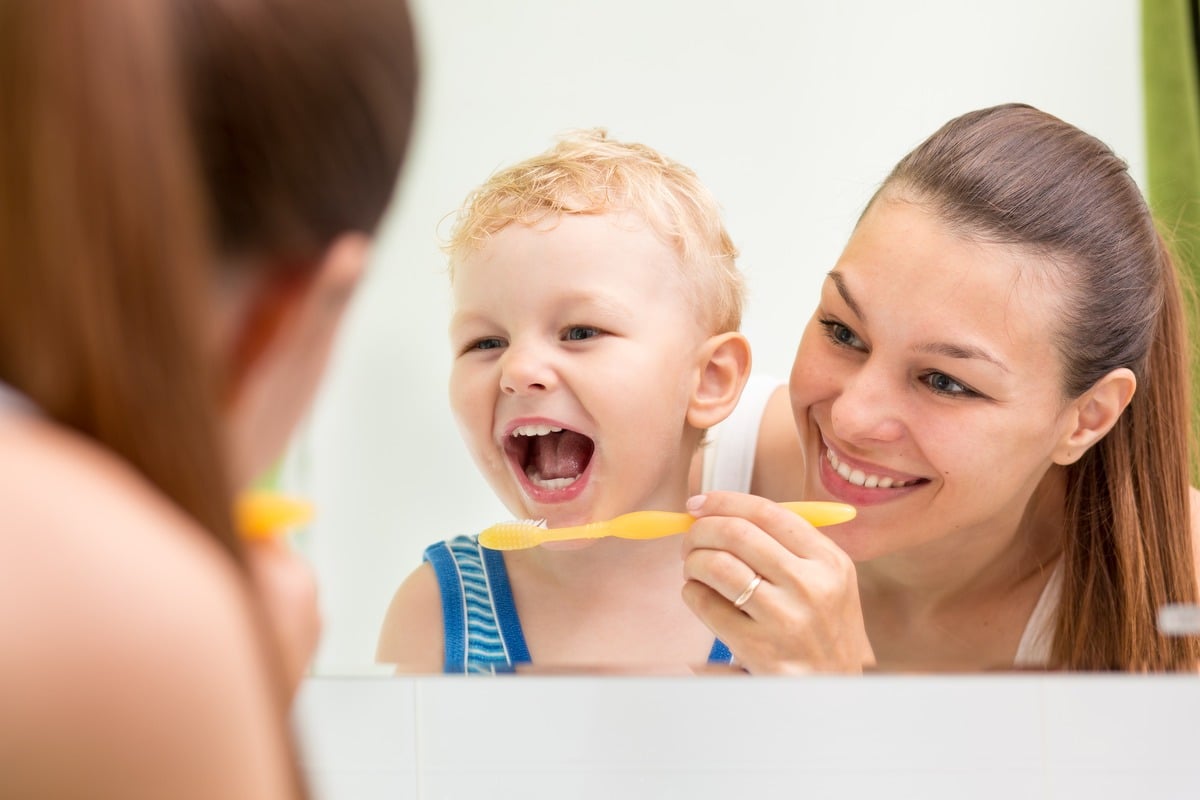
Early childhood caries, commonly called “baby bottle tooth decay,” represents a significant threat to infants’ oral health. This condition arises when babies are frequently exposed to sugary liquids, such as milk, formula, fruit juice, or sweetened drinks, especially during naptime or overnight.
The sugar in these liquids feeds mouth bacteria, leading to tooth decay.
To protect your child’s dental health, implement preventive strategies from an early age.
Avoiding Baby Bottle Tooth Decay
- Opt for Water: If your baby needs a bottle to fall asleep, ensure it contains only water. This simple practice can drastically reduce the risk of tooth decay.
- Maintain Cleanliness: Regularly clean your baby’s gums and emerging teeth with a soft, damp cloth or a baby-specific toothbrush with a smear of fluoride toothpaste no larger than a grain of rice. This helps remove plaque and sugar buildup.
- Limit Sugary Exposures: Try to minimise your baby’s daily intake of sugary liquids, and avoid them entirely at naptime or bedtime.
Dental Health Precautions for Infants
First Visit by First Birthday
International professional dental organisations recommend scheduling a baby’s first dental visit by the age of one or within six months after the first tooth erupts. This early intervention is pivotal in educating parents about proper oral hygiene techniques and fluoride needs based on the child’s risk of tooth decay.
Building a Dental Home
Early visits help establish a “dental home” for your child, where their oral health needs can be managed over time. They also give dentists a chance to assess growth and development, address concerns, and plan preventive care.
Preventive Advice and Care
During these visits, dental professionals can provide valuable advice on preventing oral diseases, proper nutrition for dental health, habit counselling (like pacifier use and thumb sucking), and injury prevention.
Implementing these precautions helps prevent early dental issues and instils a foundation for lifelong oral health. It’s about setting a course for healthy dental habits from the outset and ensuring children understand the importance of caring for their teeth and gums.
Children: Building Healthy Oral Habits
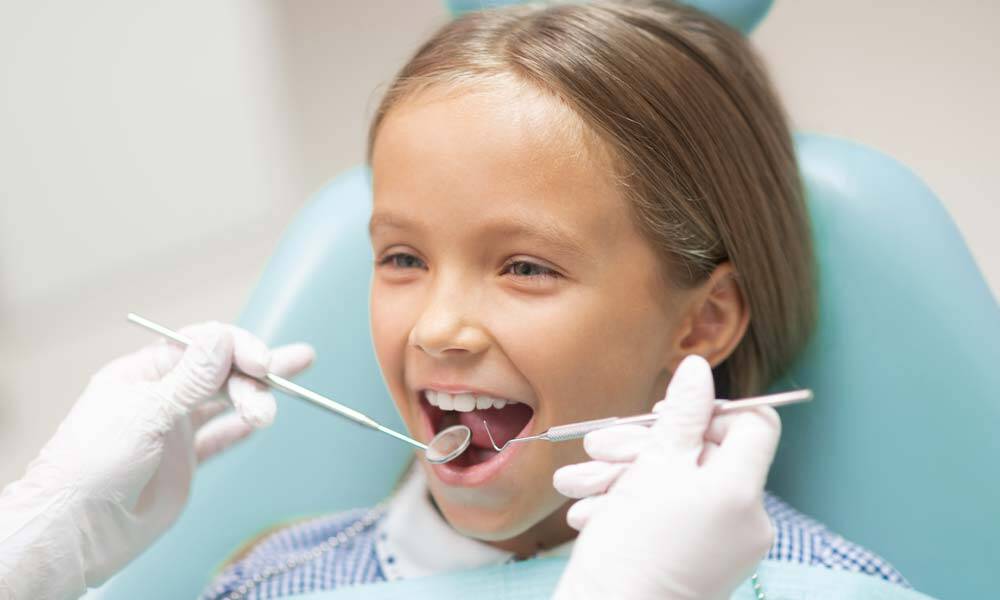
As children transition from toddlers to school age, establishing robust dental hygiene practices becomes crucial for their oral health. This period of growth is an ideal time to reinforce the importance of daily brushing, flossing, and maintaining a diet that supports dental health.
Here’s how to help children adopt and maintain these foundational habits, setting them up for a lifetime of healthy teeth and gums.
Ensuring Effective Supervision and Participation in Oral Hygiene
The Role of Supervision in Developing Dental Hygiene Skills
- Guided Brushing Sessions: Until age 6 or 7, children often lack the motor skills to brush and floss effectively on their own. Parental or caregiver supervision ensures that they learn the correct techniques and fully clean all surfaces of their teeth.
- Transitioning Responsibility: As children can rinse and spit without assistance, parents can gradually step back, giving kids more independence while still monitoring their routine to ensure thoroughness.
Protective Measures with Dental Sealants
The Protective Power of Dental Sealants
- Targeting the Back Teeth: The complex surfaces of molars and premolars are most susceptible to decay because of their chewing role and textured surfaces that trap food particles. Dental sealants provide a protective coating that shields these surfaces from bacteria and acids.
- Timing of Application: Sealants can significantly reduce the risk of cavities in these vulnerable areas. They are typically applied as soon as the first permanent molars appear (around age 6) and again when the second set appears (around age 12).
The Importance of Mouthguards in Sports
Safeguarding Young Athletes’ Smiles
- Custom-Fitted for Comfort and Protection: A mouthguard is essential protective equipment for children engaged in sports, particularly contact sports. It absorbs and disperses the force of a blow to the face, minimising the risk of broken teeth and injuries to the lips, tongue, face, or jaw.
- Consulting Dental Professionals: A dentist can provide a custom-fitted mouthguard that offers better protection and comfort than over-the-counter options. This customisation ensures young athletes can focus on the game without discomfort or distraction.
Building these dental health practices and precautions into children’s routines from a young age promotes the development of strong, healthy teeth.
It instils responsibility for oral hygiene. Regular dental check-ups and proactive steps at home lay the foundation for a lifetime of healthy smiles.
Teenagers and Dental Health: Navigating New Challenges

The teenage years bring significant physical and dental changes.
Adolescents face unique challenges that affect oral hygiene, including orthodontic appliances, the emergence of wisdom teeth, and lifestyle choices that can impact dental well-being.
Navigating these challenges successfully requires awareness, diligence, and a proactive approach to dental care.
Optimising Oral Hygiene with Orthodontic Appliances
Maintaining Cleanliness Around Braces
- Specialised Cleaning Tools: Teenagers with braces must adjust traditional brushing and flossing routines. Orthodontic brushes, designed with smaller heads to clean around brackets and wires, and floss threaders that facilitate flossing under wires are essential for preventing plaque buildup and maintaining gum health.
- Regular Orthodontic Visits: Regular appointments with the orthodontist include adjustments to the braces and professional cleanings that address areas adolescents can’t easily reach on their own.
Wisdom Teeth: Monitoring and Management
Proactive Assessment of Wisdom Teeth
- Timely Evaluations: As teenagers approach their late teens, wisdom teeth emerge. Regular dental check-ups are vital to monitor these teeth’ growth and position, ensuring enough space for them to come in without causing overcrowding or misalignment.
- Deciding on Tooth Removal: If wisdom teeth are impacted or there isn’t enough room, removal may be necessary to prevent future dental issues. Early intervention can minimise the risk of complications.
Lifestyle Choices: Understanding Their Impact on Dental Health
The Risks of Tobacco Use and Oral Piercings
- Tobacco Dangers: Teenagers should be made aware of the risks associated with tobacco use, including cigarettes and smokeless tobacco, which significantly increase the risk of gum disease, tooth decay, and oral cancer.
- Piercings: Oral piercings can also threaten dental health, leading to infections, gum recession, and tooth damage. Discuss potential complications and the importance of proper care and hygiene if piercings are present.
The teenage years are a critical time to reinforce the importance of dental health and introduce practices that address this age group’s unique challenges. By addressing orthodontic and wisdom-teeth needs and making informed lifestyle choices, teenagers can confidently navigate these years in their dental health. Encouraging regular dental visits and open conversations about how lifestyle choices affect oral health are key to maintaining healthy teeth and gums during adolescence.
Oral Health for Adults: Maintaining and Protecting Teeth With Age

As individuals transition into adulthood, the emphasis on dental care shifts towards preserving dental health and preventing new or progressing issues. This stage of life can bring specific dental challenges, including the risk of periodontal disease, tooth wear, and the management of temporomandibular joint (TMJ) disorders.
Understanding and implementing effective dental care strategies are paramount to maintaining oral health during adulthood.
Ensuring Consistent Dental Check-ups
The Importance of Regular Dental Visits
- Ongoing Assessment: Adults should maintain a schedule of regular dental check-ups, ideally visiting the dentist every six months. These visits allow professional cleanings that remove plaque and tartar buildup, which brushing and flossing alone can’t eliminate.
- Early Detection: Regular appointments help detect dental problems early, such as cavities, gum disease, and even oral cancer, making treatment more manageable and less invasive.
Proactive Gum Disease Management
Strategies for Preventing Periodontitis
- Gum Health Focus: Adults are at increased risk for periodontal (gum) disease, so pay attention to symptoms such as bleeding, swelling, or receding gums. Preventive measures include brushing and flossing to remove plaque, a leading cause of gum disease.
- Professional Cleanings: Regular dental cleanings help prevent periodontitis by removing plaque and tartar that contribute to gum inflammation and disease.
Addressing Dental Wear and Sensitivity
Managing Wear and TMJ Disorders
- Monitoring Wear: Natural wear and tear on teeth can lead to sensitivity and other issues as adults age. Discussing signs of wear with a dentist helps assess the need for interventions, such as dental crowns or specialised toothpaste for sensitivity.
- TMJ Disorder Management: Symptoms of TMJ disorders, including jaw pain, difficulty chewing, and headaches, should be promptly addressed. Dentists can offer solutions ranging from oral appliances to manage clenching and grinding to referrals for further specialist treatment.
Adulthood requires a dedicated approach to dental care that focuses on maintaining oral health and preventing disease and wear.
By keeping up with regular dental visits, paying close attention to gum health, and addressing signs of wear and sensitivity, adults can significantly support their overall health and well-being.
Proactive dental hygiene and seeking professional advice when issues arise are key to preserving oral health through adulthood.
Seniors Dental Health: Adapting to Age-Related Changes
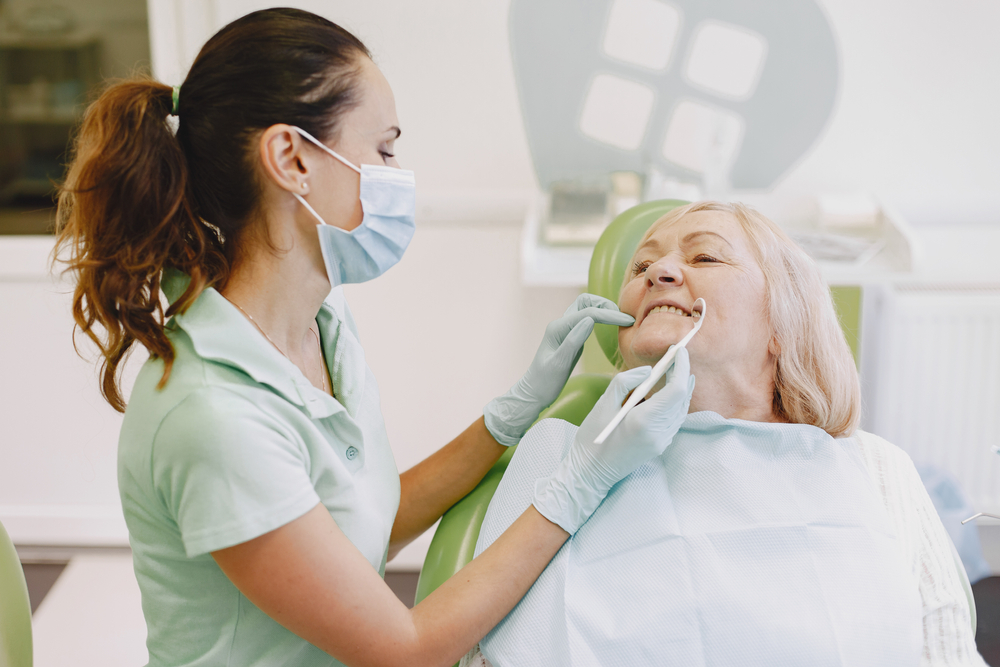
As individuals enter their senior years, dental care must adapt to the unique challenges and changes of aging. This life stage may bring complications such as medication side effects, increased tooth wear, and physical conditions like arthritis, which can make routine oral hygiene more difficult.
Adapting dental care strategies to meet these changes is essential for maintaining oral health and overall well-being in older adults.
Managing Dry Mouth to Protect Oral Health
Combating the Effects of Medication-Induced Xerostomia
Understanding Dry Mouth
A common side effect of many medications used by seniors, dry mouth, or xerostomia, significantly increases the risk of cavities and gum disease by reducing saliva flow.
Saliva is crucial in neutralising acids produced by mouth bacteria and remineralising tooth enamel.
Hydration and Saliva Substitutes
To reduce the effects of dry mouth, seniors should stay well hydrated by drinking plenty of water throughout the day.
Saliva substitutes and products that stimulate saliva production can relieve symptoms and support oral health.
Tailoring Oral Hygiene Practices for Seniors
Adapting Tools for Comfort and Effectiveness
Choosing the Right Toothbrush
For those who find manual brushing challenging due to arthritis or other mobility issues, switching to soft-bristled or electric toothbrushes can make oral care more manageable and less painful.
These tools are gentler on the gums and remove plaque more effectively without excessive pressure.
Simplifying Flossing
Seniors who struggle with traditional flossing may benefit from floss holders or water flossers, which can simplify the process and help ensure thorough cleaning between teeth.
The Importance of Regular Dental Screenings in Senior Years
Prioritising Dental Visits for Early Detection and Maintenance
- Routine Check-ups and Screenings: Regular visits to the dentist is paramount for seniors, not just for the maintenance of dental health but also for the early detection of more serious conditions, such as oral cancer. These appointments allow monitoring of gum disease and management of tooth wear.
- Customised Care Plans: Dental professionals can provide tailored advice and treatment plans to address the specific needs of senior patients, including recommendations for managing dry mouth, adapting oral hygiene practices, and monitoring for signs of oral health issues.
The senior years bring about specific dental care needs and challenges that require thoughtful adaptation and management.
Seniors can enjoy good oral health and a high quality of life by managing dry mouth, using gentle cleaning tools, and keeping up with regular dental screenings.
Engaging proactively with dental care and communicating openly with dental professionals about changing needs will help keep oral health a priority throughout the golden years.
Universal Dental Health Tips
Despite age-specific precautions, some dental health tips are universal:
- Brush twice daily with fluoride toothpaste and floss daily.
- Maintain a balanced diet, limiting sugary and acidic foods and drinks.
- Visit your dentist regularly for check-ups and cleanings.
Summary
Each stage of life brings dental health challenges and opportunities.
By taking age-appropriate precautions and maintaining diligent oral hygiene, individuals can ensure their teeth remain healthy and strong throughout their lives.
Remember, it’s never too early or too late to start caring for your dental health.
Navigating the dental care journey through each stage of life can seem daunting, but maintaining a healthy smile is achievable with the proper practices and professional guidance. Whether you’re seeking to prevent dental issues in your child, address the unique challenges of dental care in the teenage years, ensure your oral health as an adult, or adapt to the changes aging brings, the importance of professional dental care cannot be overstated.